کمک های کامپیوتری
تاریخ : پنج‌شنبه 12 آبان 1390
نویسنده : konami


|
امتیاز مطلب : 0
|
تعداد امتیازدهندگان : 0
|
مجموع امتیاز : 0
تاریخ : پنج‌شنبه 12 آبان 1390
نویسنده : konami
06-aston-dbs-mansory-400x265.jpg (400×265)
 
02-aston-dbs-mansory-400x265.jpg (400×265)
 
20-aston-dbs-mansory-400x265.jpg (400×265)
 
03-aston-dbs-mansory-400x265.jpg (400×265)
 
04-aston-dbs-mansory-400x265.jpg (400×265)
 
08-aston-dbs-mansory-400x265.jpg (400×265)
 
16-aston-dbs-mansory-400x265.jpg (400×265)
 
18-aston-dbs-mansory-400x265.jpg (400×265)

|
امتیاز مطلب : 0
|
تعداد امتیازدهندگان : 0
|
مجموع امتیاز : 0
تاریخ : پنج‌شنبه 12 آبان 1390
نویسنده : konami


Ford Reflex Concept (Ford Concept)

Ford Reflex Concept (Ford Concept)

Ford Reflex Concept (Ford Concept)

Ford Reflex Concept (Ford Concept)


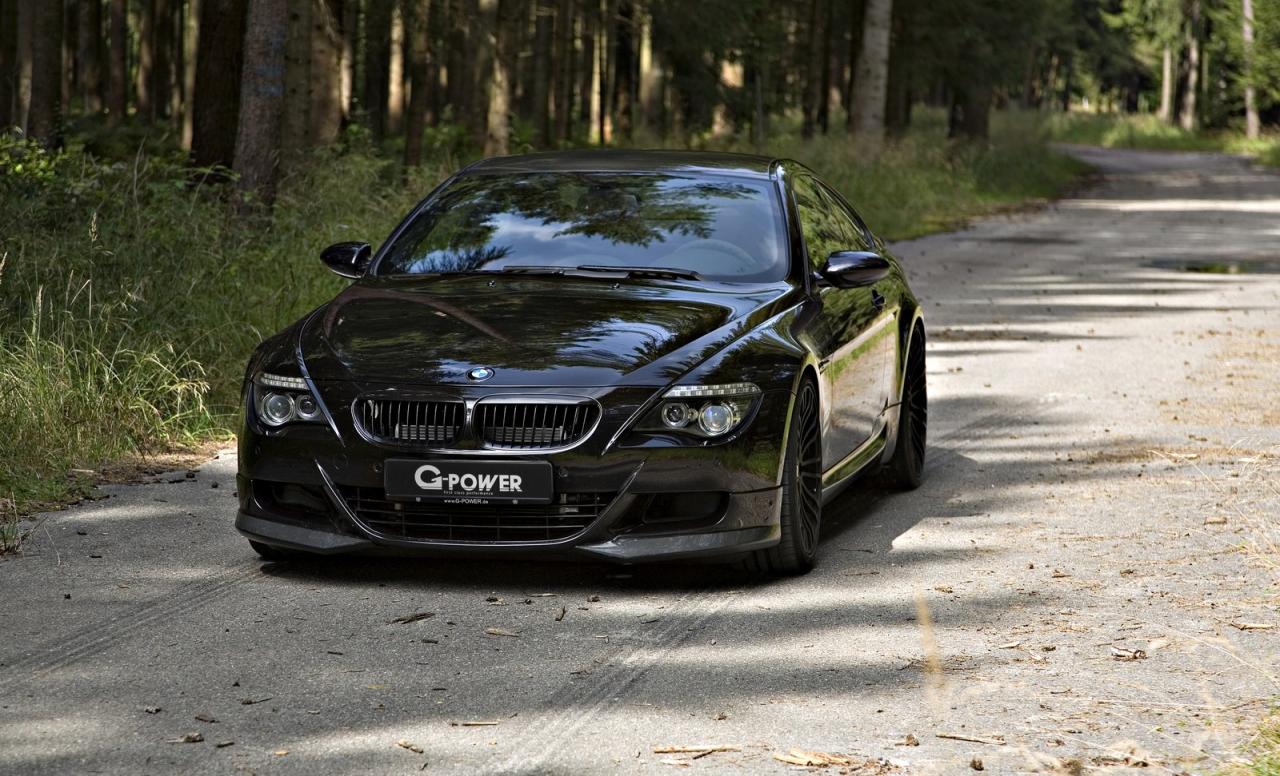
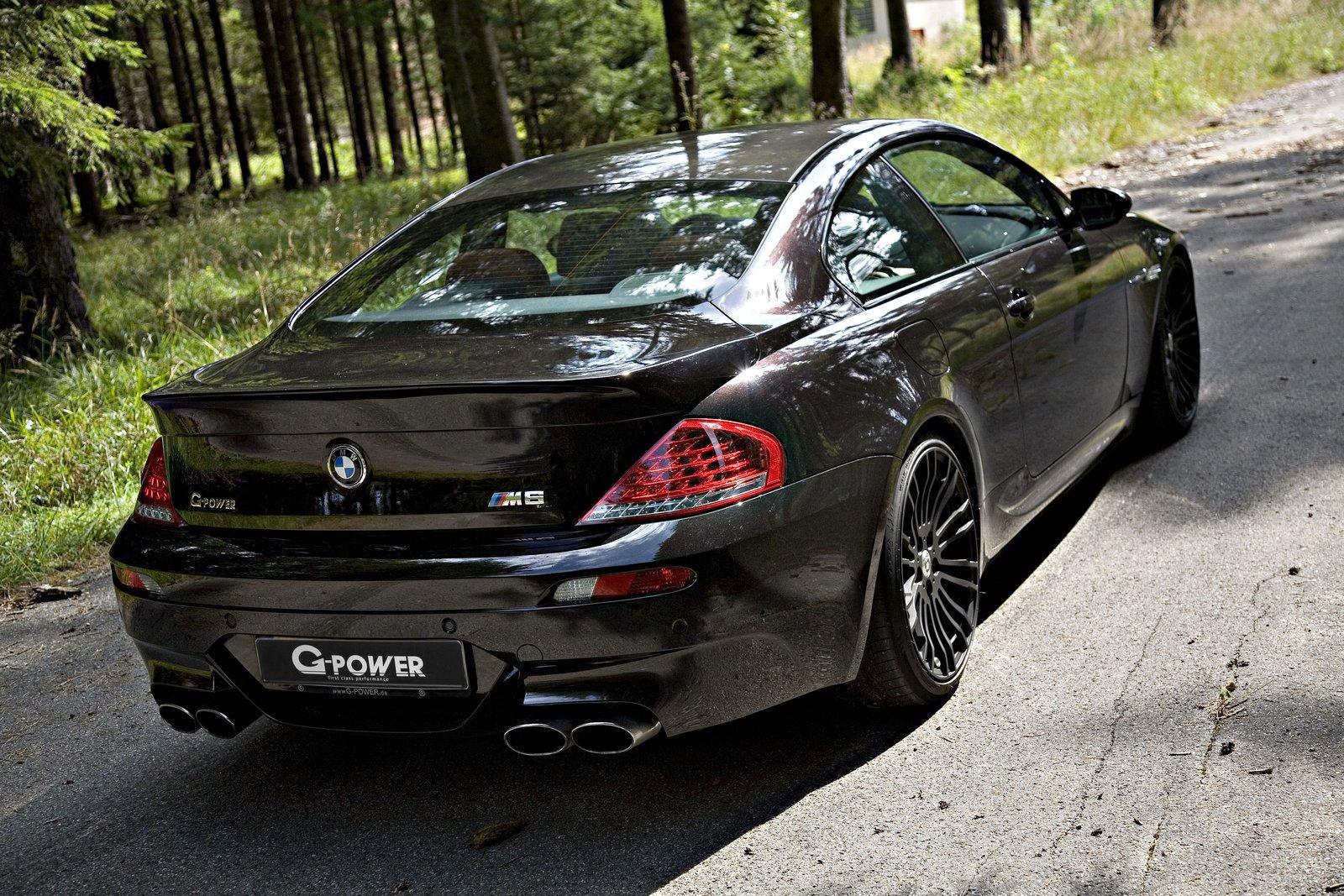
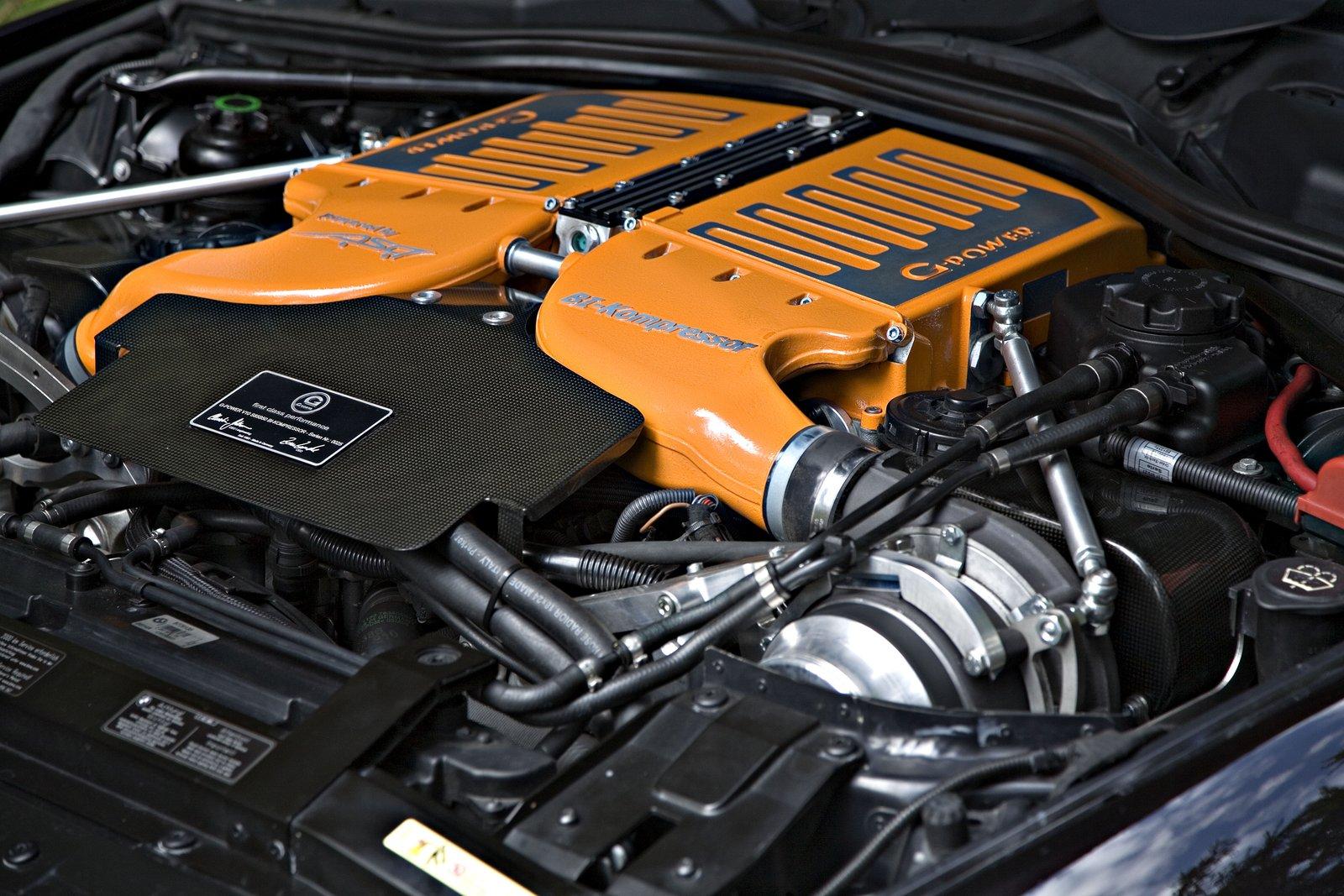
2010 bmw g power m6 hurricane rr 02 Photos

2010 bmw g power m6 hurricane rr 06 Photos

2010 bmw g power m6 hurricane rr 09 Photos


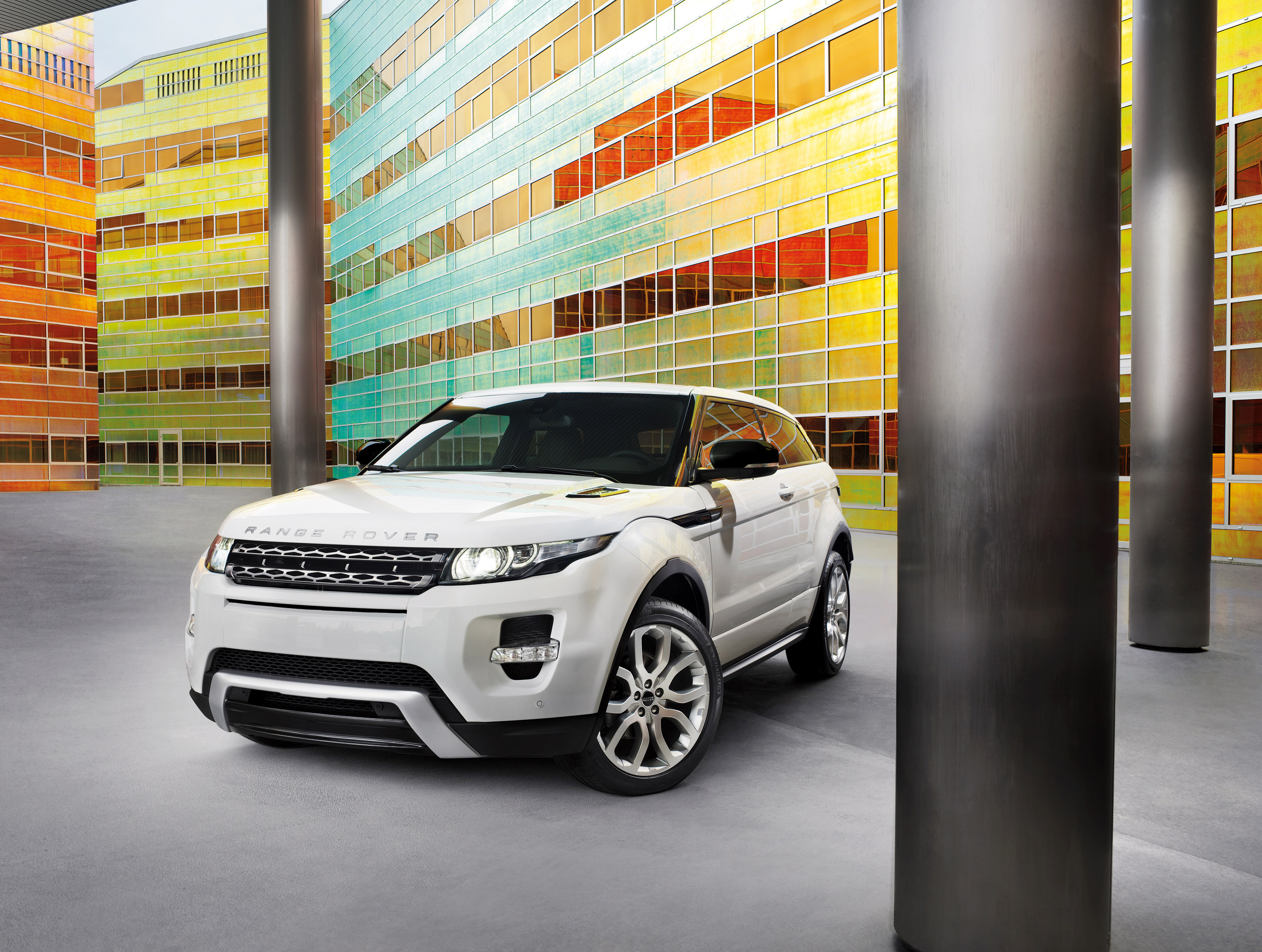
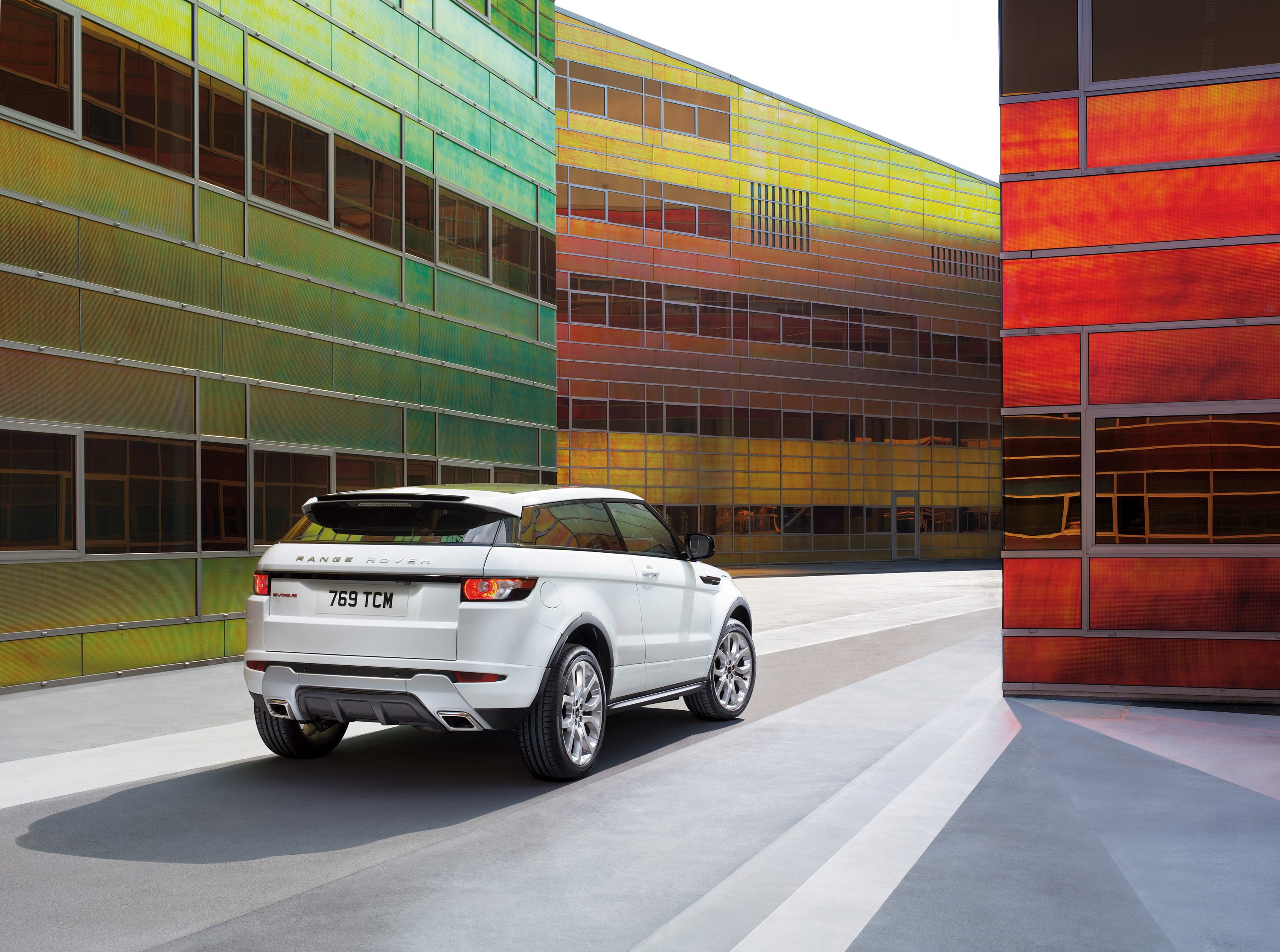
2012-range-rover-evoque-04.jpg

2012-range-rover-evoque-06.jpg

2012-range-rover-evoque-16.jpg

Chevrolet WTCC Ultra Concept (Chevrolet Concept)

Chevrolet WTCC Ultra Concept (Chevrolet Concept)

Chevrolet WTCC Ultra Concept (Chevrolet Concept)

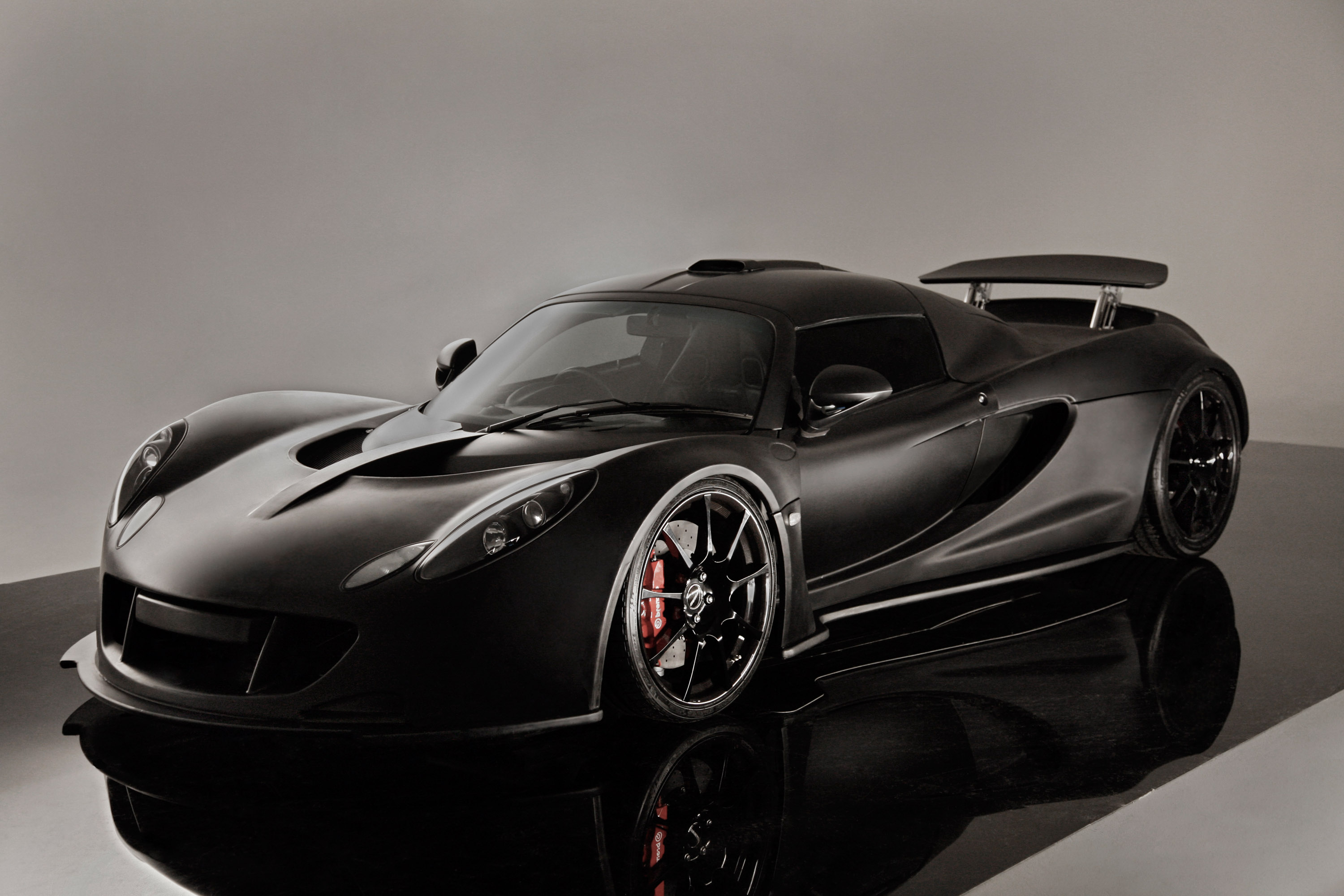
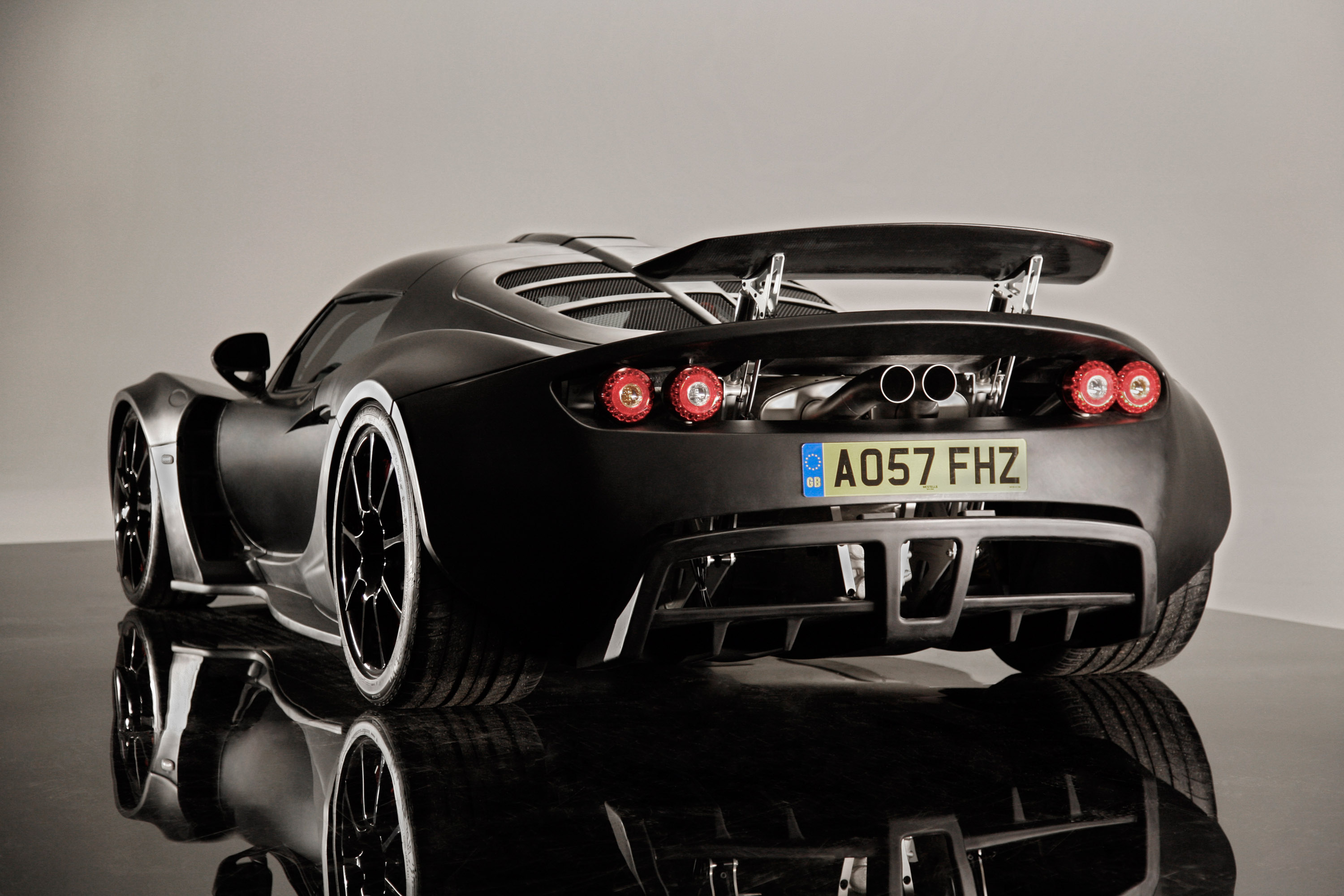
2011-hennessey-venom-gt-01.jpg

2011-hennessey-venom-gt-02.jpg

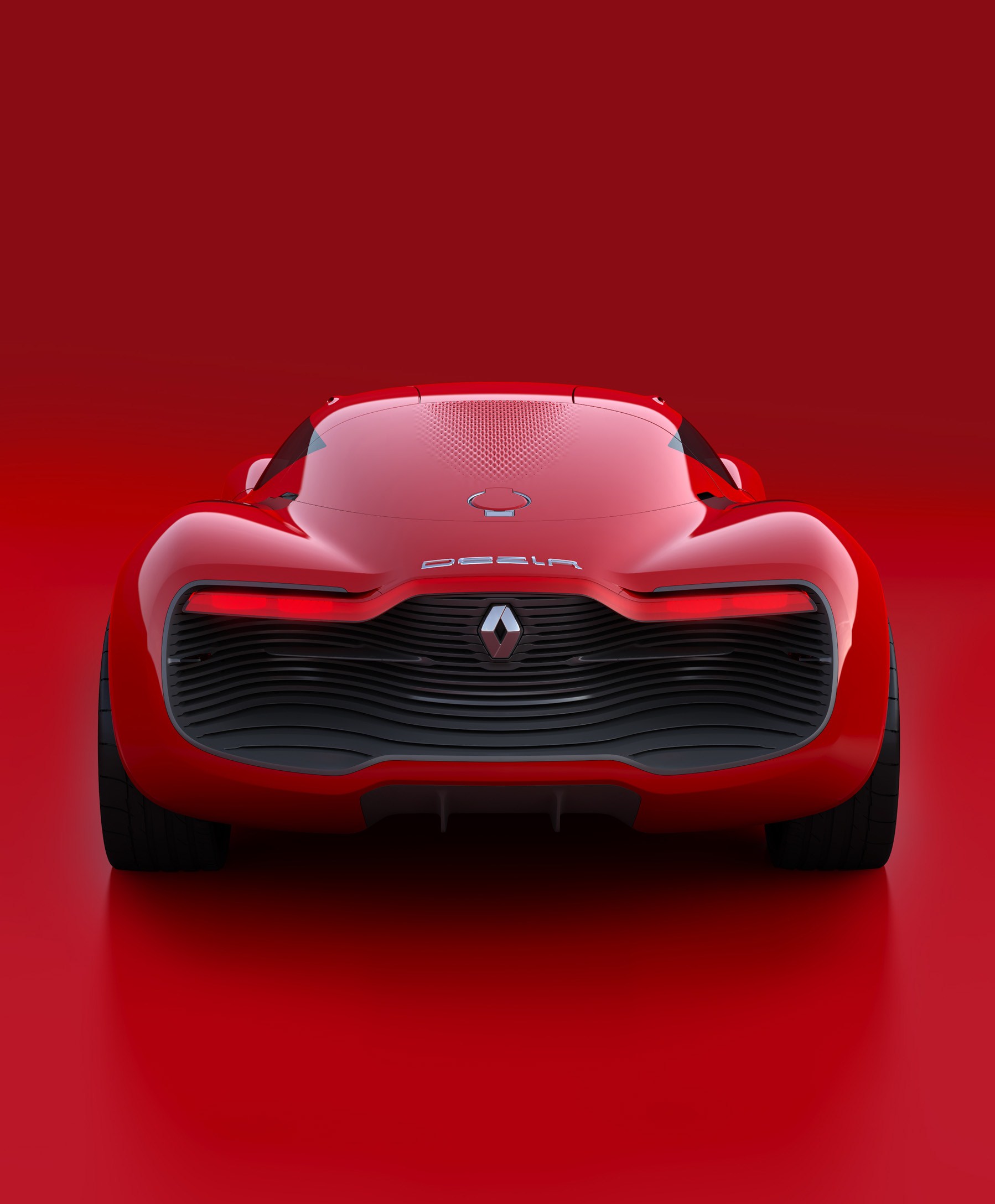
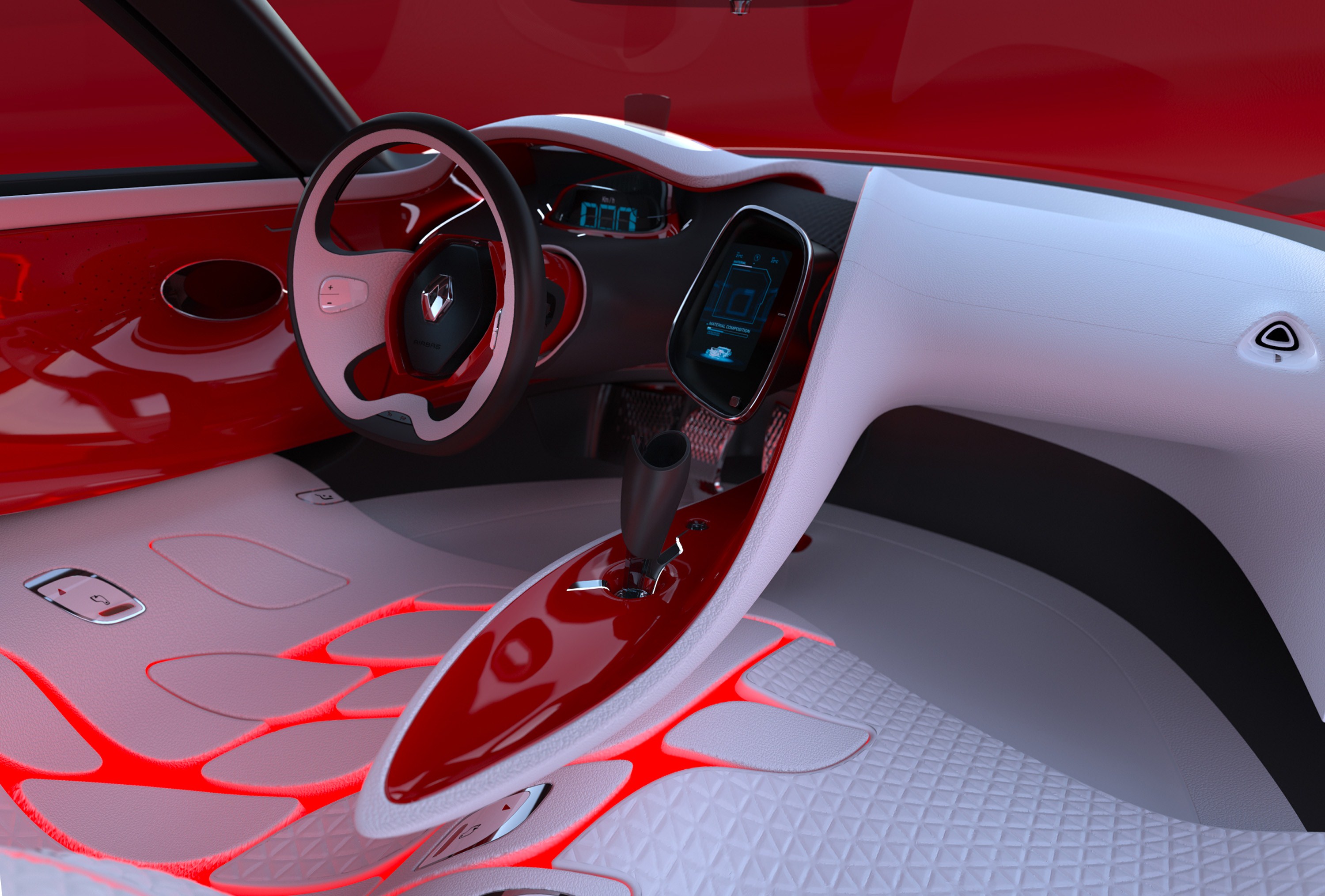
2010-renault-dezir-concept-03.jpg

2010-renault-dezir-concept-02.jpg

2010-renault-dezir-concept-17.jpg


Mitsubishi Concept-CT

Mitsubishi Concept-CT

Cadillac Escalade ESV

Cadillac Escalade ESV

Ford Mustang GT "California Special"

Ford Mustang GT "California Special"


|
امتیاز مطلب : 0
|
تعداد امتیازدهندگان : 0
|
مجموع امتیاز : 0
تاریخ : چهارشنبه 11 آبان 1390
نویسنده : konami

بهترين تانک هاي رزمي جهان + فيلم-قسمت اول

تانک لئوپارد اولين بار در سال 1963  توسط آلمان غربي توليد گرديد . بيش از 6000   دستگاه  از اين تانک توليد گرديد و به کشورهاي عضو پيمان ناتو  تحويل گرديد.

 تانک لئوپارد در دهه هاي  60  و 70  به يکي از تانک هاي موفق تبديل شد . جنگ افزار اصلي  تانک يک توپ  105  ميليمتري بود و علاوه بر آن دو مسلسل MG-3 کاليبر  mm62/7   يکي به صورت موازي با توپ  و ديگري بر روي بر جک نصب گرديده بود.  اين تانک هنوز  در ارتش بعضي از کشورها در حال خدمت مي باشد .

تانک لئوپارد

در اواخر دهه ي  70  ميلادي با آشکار شدن ضعف تانک هاي غربي مقابل تانک هاي  قدرتمند کشورهاي پيمان ورشو که به تانک هاي  T 72   و  T 64   مجهز بودند . طراحي يک تانک جديد و قدرتمند تر  در آلمان غربي  شروع شد . توليد تانک جديد که لئوپارد  2  نام داشت . در سال  1979  آغاز شد. تانک لئوپارد2 از لحاظ مشخصات فيزيکي بزرگتر از لئوپارد 1  و از لحاظ سيستم کنترل و ناوبري  با آن بسيار متفاوت است .

بدنه ي  تانک از سه بخش تشکيل شده ؛   

  1- اتاقک راننده که در بخش جلو  قرار دارد

  2- بخش فرماندهي و کنترل که در وسط بدنه  قرار دارد .

  3- بخش موتور که در انتهاي بدنه قرار دارد .

تانک لئوپارد

اتاقک راننده به سه عدد پريسکوپ مجهز است و سمت چپ  راننده فضاي ذخيره سازي  مهمات است. يک دوربين نيز در انتهاي تانک  نصب شده که تصاوير را بر روي يک نمايشگر تلويزيوني در اختيار راننده قرار مي دهد تا بتواند در جهت عکس حرکت کند. برجک نيز در وسط تانک قرار دارد . نسل سوم  زره هاي مرکب بر روي تانک  نصب گرديده و زره هاي قسمت کنار و جلو که در معرض آتش دشمن قرار دارد به کمک قطعاتي تقويت گرديده .

اين زره ها در نقش عايق هاي صوتي و حرارتي نيز براي  تانک عمل مي نمايد . پريسکوپ هاي  تانک قابليت o360   گردش و امکانات  ديد در شب دارد . جايگاه  توپچي  به يک مسافت باب ليزري  و آشکارساز مادون قرمز  و هدف ياب  حرارتي است. که از آنها براي ماموريت هاي ضد بالگرد نيز مي توان اشاره کرد.

اتاقک خدمه به آشکار ساز انفجار و سيستم اطفاء حريق مجهز است. همچنين يک ديواره ضد حريق قسمت موتور را طوري از اتاقک جدا کرده تا در صورت انفجار يا آتش سوزي  موتور به خدمه آسيبي نرسد. سيستم تهويه مطبوع تانک  فضاي مناسبي را براي  فعاليت خدمه مهيا کرده است.

اتاقک راننده

تانک به سيستم ناوبري دوگانه ي  مکان ياب جهاني GPS  و ناوبري  خودکار مجهز است . سلاح اصلي تانک يک توپ  mm  120  بدون خان  L 44   است که در مدل A6   با يک توپ  mm  120  با نام  L 55  با طول  لوله ي بلندتر  تعويض گرديده . طول بلندتر لوله باعث  افزايش سرعت و قدرت نفوذ  گلوله شده است. اين توپ  به سيستم فشنگ پران اتوماتيک مجهز است. قابل ذکر است که تانک معروف  M1A2  (آبرامز)  ايالات متحده  دقيقاً  از همين توپ استفاده مي نمايد و اين توپ  در آمريکا تحت ليسانس آلمان توليد مي شود. قدرت فوق العاده ي  توپ ، توان درگيري تانک با اهداف  پروازي  کم ارتفاع را به آن داده است و به اين منظور از گلوله هاي ويژه اي که توسط ايالات متحده طراحي  گرديده استفاده  مي نمايد .

تانک لئوپارد
گونه هاي مختلف مهمات مورد

موتور ديزل MTUMB873   با توان  1500  اسب و يا  MTUMB883   با توان  1650  اسب قابليت حرکت با سرعت  72  کيلومتر  بر ساعت را به تانک مي دهد .

تانک لئوپارد  2  گونه هاي مختلفي دارد. مدل هاي A4 الي A1  بسيار به هم شبيه هستند ولي گونه هاي  A5  و  A6  با بقيه  متفاوتند. زره مدل  A5  مستحکم تر است و مدل  A6   که جديدترين و پيشرفته ترين مدل مي باشد . سيستم هاي حفاظت ضد مين، موتور کمکي و کنترل آتش دستليک پيشرفته تري  مجهز است. تاکنون 3200  دستگاه  از اين تانک توليد گرديده  و در اختيار ارتش  کشورهاي اتريش ، دانمارک ، هلند ، نروژ ، سويس، سوئد و اسپانيا  قرار داده شده. مدل ديگري از تانک لئوپارد مدل  S  مي باشد که در سال  2002  به ارتش سوئد تحويل گرديد. اين تانک به سيستم فرماندهي کنترل و يک زره  غير عامل جديد مجهز مي باشد.   تانک مدرنيزه شده ي لئوپارد يکي از  بهترين و پيشرفته ترين تانک هاي جهان از  لحاظ تحرک قدرت آتش و سيستم  دفاعي  مي باشد. شايد تنها مشکل آن وزن  62  تني آن است که حمل و نقل و نگهداري آن را مشکل مي سازد ولي  اين وزن  تاثيري بر قدرت  تحرک و مانورپذيري آن  نگذاشته .

در سال  1998  تانک لئوپارد  2  مدل A5  توسط  مجري معتبر  military ordanance   به عنوان بهترين تانک رزمي  جهان  انتخاب گرديد.  لازم به ذکر است که تانک  آبرامز امريکا  در رده ي  دوم و تانک  T90  روسها در رده هفتم قرار گرفت .

تانک لئوپارد

|
امتیاز مطلب : 0
|
تعداد امتیازدهندگان : 0
|
مجموع امتیاز : 0
تاریخ : چهارشنبه 11 آبان 1390
نویسنده : konami


سلامی گرم به دوستان و کاربران وبلاگ پری دانلود و هم چنین تشکر ویژه از دوست خوبم ابراهیم زحمتی که مطالب جالب و بسیار مفیدی را در این وبلاگ منتشر کرده است .

چند روزی بود فکرم در مورد این اصطلاحات درگیر بود . لپ تاپ ( Laptop ) ، نوت بوک ( Notebook ) و نت بوک ( Netbook ) . بله شما هم احتمالا این کلمات را خیلی زیاد شنیده اید . احساس کردم برای خودم که رشته کامپیوتر هستم کمی زشته که تفاوت این کلمات رو ندونم . بنابراین تحقیق کامل و جامعی در این مورد کردم که به نتایج جالب رسیدم . در ادامه براتون می نویسم . این مطالب رو از چند سایت جمع آوری و ویرایش کردم که در پایان اسامی آنها را ذکر خواهم کرد .

لپ تاپ (laptop ) چیست ؟

محبوب شدن لپ تاپ ها در بین افراد عجیب به نظر می رسد.

این حقیقت که لپ تاپ ها با خواص زیادی که دارند از جهاتی نیز از رایانه های رومیزی کم می آورند باعث می شود که همه افرادی که هر روز با رایانه سر و کار دارند در مورد بهتر بودن آنها نسبت به رایانه های رومیزی شک کنند.

درست است که لپ تاپ ها قابل حمل هستند، باطری کمتری احتیاج دارند و سر و صدای کمتری نسبت به انواع رایانه های رومیزی تولید می کنند اما از سوی دیگر گفته می شود که لپ تاپ ها معمولا گرافیک و بلندگوهای بسیار ضعیفی دارند.

این تفاوت ها ممکن است به ظاهرا جزئی بیایند اما برای مصرف کننده ای که هر روز ساعت ها با آن سروکار دارد بسیار مشخص  است.

لپ تاپ ها در حالت کلی نسبت به رایانه های رومیزی قیمت بیشتری دارند. اما در عین حال، کاهش قیمت آنها هم پس از ارائه شدن مدل های جدیدتر حیرت انگیز است. اولین بار در ماه می سال ۲۰۰۵ بود که رکورد فروش لپ تاپ ها در مقابل رایانه های رومیزی شکسته شد و سازندگان رایانه های رومیزی پذیرفتند که محبوبیت لپ تاپ ها بیش از پیش شده است.

حال اینکه چطور ممکن است تمامی آن سخت افزارهایی که در رایانه های بزرگ رومیزی وجود دارد همگی در یک لپ تاپ کوچک جا بگیرد توضیحات مفصلی می طلبد. در حالت کلی لپ تاپ ها و رایانه های رومیزی سخت افزار و نرم افزارهای بسیار مشابهی دارند. اما تفاوت اصلی در آن است که چطور این سخت افزار در محیطی کوچک کنار هم قرار می گیرند.

اجزای لپ تاپ:

رایانه رومیزی تشکیل شده اند از : مادربورد,کارت ویدئو, هارد درایو و چندین قطعه دیگر که همگی در جعبه بزرگی که اصطلاحا “کیس” گفته می شود جا می گیرند. صفحه نمایش و صفحه کلید هم که با استفاده از سیم یا بدون سیم به “کیس ها” متصل می شوند و چه بخواهید و چه نخواهید فضای زیادی از میز در نهایت به خاطر انبوه سیم های متصل شده به این دستگاه رومیزی گرفته می شود.
لپ تاپ ها بسیار کوچکتر و سبکتر از رایانه های رومیزی هستند و اولین چیزی که در آنها به چشم می خورد صفحه تایپ آنهاست که حتی آن هم از انواع رومیزی بسیار کوچکتر است. به خاطر کوچک بودن اندازه لپ تاپ ها وسایل سخت افزاری این نوع رایانه باید سه خاصیت داشته باشد.

در محل کوچکی جا شود.

باتری را به شکل کنسروی مصرف کند

گرمای زیادی تولید نکند

معمولا بسته به بهتر بودن نوع این سخت افزارها و اینکه تا چه حد سه خاصیت بالا را دارند , قیمت لپ تاپ ها تفاوت می کند. گران و یا ارزان بودن لپ تاپها دقیقا بستگی به همین سه خاصیت دارد.

پردازشگر:
“سی پی یو” رایانه شما با سیستم عامل همکاری می کند تا رایانه شما به بهترین شکل کار کند و در واقع آن را کنترل می کند و به شکل مغز رایانه شماست.

معمولا این سی پی یوها حرارت زیادی تولید می کنند و به خاطر همین موضوع است که در رایانه های رو میزی فضای زیادی به فن و خنک کننده ها اختصاص داده می شود.از آنجایی که در لپ تاپ ها چنین امکانی وجود ندارد بنابراین سی پی یو در آنها:

در ولتاژ کمتر کار می کنند. معمولا با پائین بودن ولتاژ در لپ تاپ ها پردازشگر آرامتر کار می کند تا گرمای کمتری تولید کند. بسیاری از لپ تاپ ها زمانی که به برق متصل باشند در ولتاژ بالا هم کار می کنند.

سوکت ها و سنجاقها و گیره های متصل به “مادر بورد” معمولا جای زیادی می گیرد. در انواع لپ تاپ ها این سوکتها به طور کامل برداشته شده است. به همین خاطر است که معمولا در لپ تاپ ها برداشتن پردازشگر از مادر بورد امکان پذیر نیست.

حالت آرامش و خواب دارد زمانی که لپ تاپ شما استفاده نمی شود و برای مدتی شما آن را روشن گذاشته واز آن دور شده اید رایانه و سیستم عمل به شکلی با هم کار می کنند که سرعت “سی پی یو” شما کاهش پیدا کند.

فن و خنک کننده:

لپ تاپ ها معمولا فن های بسیار کوچکی دارند و لوله های بسیار باریکی در آنها تعبیه شده است که گرما را از سی پی یو بیرون می برد. این ابزار معمولا در لبه لپ تاپها ساخته می شوند تا مسیر خارج شدن گرما کوتاه شود.

حافظه:
حافظه لپ تاپ می تواند به خاطر آرام کار کردن پردازشگرها مورد مطالعه بیشتر قرار بگیرد. در برخی از لپ تاپ ها حافظه را در نزدیکی سی پی یو قرار می دهند تا دسترسی به اطلاعات سریعتر باشد. برخی هم در محل های بزرگتر جا می گیرند تا اطلاعات در سطح پردازشگر و “مادر بورد” سریعتر حرکت کند.

همچون رایانه های شخصی،لپ تاپ ها هم “هارد دیسک” داخلی دارند که سیستم عامل و فایلهای اطلاعاتی را نگهداری می کند. در لپ تاپ ها اندازه این هارد دیسک ها بسیار کوچکتر از حالت عادی است و چرخش آن آرامتر است که سبب ایجاد گرمای کمتر و اتلاف باتری می شود.
صدا و تصویر:

قسمت گرافیکی در واقع یک پردازشگر کوچک است که عملیات پخش تصویر را انجام می دهد. این قسمت نیز گرمای زیادی تولید می کند. در بیشتر لپ تاپ ها قسمت گرافیکی در مادر بورد واقع شده و یا آنکه به شکل خاص برای استفاده از لپ تاپ ها با سایزهای کوچک ساخته می شود.
آنچه به طور یقین ثابت شده این است که گرافیک در لپ تاپ ها از رایانه های شخصی ضعیف تر است اما استفاده کنندگان معمولا متوجه این موضوع نمی شوند.

صفحه نمایش در لپ تاپ ها معمولا ۱۲ تا ۱۷ اینچی هستند و انواع گوناگونی دارند که هر روزه با اختراع انواع جدید تفاوت می کنند.

انرژی:
لپ تاپ ها و رایانه های رومیزی هر دو با برق کار می کنند. هر دو باتری دارند تا بتوانند ساعت و تاریخ را به طور مرتب بروز کنند. بر خلاف انواع رومیزی، لپ تاپ ها می توانند با استفاده از باتری و بدون برق چندین ساعت روشن بماند که البته به نوع باتری بستگی دارد.

باتری های مختلفی برای انواع لپ تاپ ها استفاده می شود که بستگی به قیمت شان متنوع هستند. بسیاری از سازندگان باتری ها مدعی اند که باتری ها تا ۵ ساعت مداوم کار می کنند. اما این موضوع دقیقا بستگی به آن دارد که از لپ تاپ چه استفاده ای می شود.

تاریخچه لپ تاپ:

حدود سال ۱۹۷۰ “آلان کی” مردی که در شرکت زیراکس کار می کرد تصمیم گرفت رایانه ای بسازد که بدون احتیاج به انواع سیم کار کند. این نوع رایانه گرچه هرگز مشهور نشد اما اولین جرقه ای بود که باعث شد فکر ساخت لپ تاپ ها به انسان خطور کند.

سال ۱۹۷۹ اولین رایانه قابل حمل ساخته شد. این رایانه ۳۴۰ کیلو بایت حافظه داشت و “ناسا” آن را که حدود ۸۰۰ دلار قیمت داشت و سنگین بود را برای پروژه های فضایی به کار گرفت.
این لپ تاپ به عنوان اولین نوع رایانه قابل حمل معرفی شد تا اینکه در سال ۱۹۸۶ شرکت آی بی ام اولین لپ تاپ حرفه ای را وارد بازار ساخت که ۲۵۶ کیلو بایت حافظه داشته و دو درایو دیسکت فلاپی با صفحه نمایش تخت داشت و مودم داخلی برای آن تعبیه شده بود.

این لپ تاپ حدود ۵٫۴ کیلوگرم وزن داشت و به قیمت ۳۵۰۰ دلار به فروش می رسید توانست نام خود را به عنوان اولین لپ تاپ ثبت کند.

نوت بوک (NoteBook ) چیست ؟

خوب همانطور که می دانید لپ تاپ به رایانه های قابل حمل، کوچک و نسبتاً سبک گفته می‌شود. که وزن آن به اندازه و مواد مصرف شده در ساخت آن بستگی دارد. این رایانه کوچک ‌تر از رایانه‌های رومیزی است لپ تاپ مانند کامپیوترهای کوچک است. و ویژگی های آن نیز مانند کامپیوترهای رومیزی است و مانند آن عمل می‌کنند ولی برای استفاده متحرک به صورت بهینه درآمده‌اند.

لپ تاپ ها عموما به شکل نوت بوک یا همان دفترچه یادداشت در آمده اند و ابعاد صفحه نمایش آنها به طور معمول در محدوده ۱۳ تا ۱۷ اینج عرضه شده اند. و وزن آنها ۱٫۴ تا ۵٫۴ کیلو گرم است . البته لب تاپ های قدیمی معمولا سنگین تر اند .

فکر کنم با این توضیحات متوجه شدید که چرا به لپ تاپ ، نوت بوک هم می گویند.

نت بوک ( netbook ) چیست ؟

نت بوک ( NetBook ) یک لپ تاپ ( Laptop ) کوچک، سبک، ارزان و قابل حمل است.

نت بوک بیشتر برای وب گردی، چک کردن ایمیل و اجرای برنامه های معمولی ( مانند ویرایش متون یا گوش دادن به موسیقی ) استفاده می‌شود. قدرت پردازش نت بوک کمتر از آن است که بتوان بازی های ویدیویی سنگین (‌مثل جی تی ای ۴ ) را روی آن بازی کرد یا سیستم عامل های زیاده خواه ( مثل ویندوز ویستا  ) را بر روی آن نصب کرد. …

البته با گسترده شدن هرچه بیشتر برنامه‌های تحت وب ( پردازش در ابر ( Cloud Computing ) ) دیگر نیازی به داشتن سیستمی قدرتمند و البته سنگین و گران قیمت نیست.

پر فروش ترین کامپیوتر ها در فروشگاه اینترنتی آمازون ( Amazon.com ) نت بوک ها هستند و با وجود بحران اقتصادی در جهان، فروش لپ تاپ ها از کامپیوتر های رومیزی به دلیل فروش فوق العاده بالای نت بوک ها برای اولین بار در سال گذشته ( ۲۰۰۸ ) پیشی گرفته است.

نت بوک ها به همراه ویندوز ایکس پی یا با یک انتشار لینوکس عرضه می‌شوند. البته طبق اعلام شرکت مایروسافت نسخه ی جدید سیستم عامل این شرکت یعنی ویندوز ۷  قابل نصب روی نت بوک ها است.

نت بوک ها معمولاً مانیتوری ۹ تا۱۰ اینچی دارند و وزن تقریبی آنها ۱ تا ۱/۵ کیلوگرم است. صفحه کلید نت بوک ها ۸۰ تا ۹۵ ٪ کیبورد های معمولی است. قیمت نت بوک ها از حدود ۳۳۰ دلار برای یک نت بوک به همراه سیستم عامل لینوکس یا ۳۵۰ دلار برای یک نت بوک با سیستم عامل ویندوز ایکس پی  شروع می شود و عموماً قیمت نت بوک ها زیر ۵۰۰ دلار است. البته قیمت های کمتر و بیشتری هم در بازار به چشم می خورد ( از ۲۰۰ دلار تا ۱۲۰۰ دلار ).

در نت بوک ها جایی برای دی وی دی و سی دی ( DVD and CD ) نیست و این امکانات به دلیل اندازه کوچک و هم چنین قیمت کمتر از نوت بوک ها کنار گذاشته شده است.

تفاوت نت بوک ها بیشتر در طراحی ( Design ) و نوع درایو ذخیره ی آن‌ها است که یا از نوع هارد درایو ( HD ) است یا سالید استِیت درایو ( SSD: Solid State Drive ).


تفاوت لپ تاپ و نت بوک

از مطالب بالا میبینید که لپ تاپ و نوت بوک که هر دو به یک مفهوم هستن. نت بوکها دقیقا در نقطه مقابل لپ تاپها هستند نت بوکها سیستمهای ضعیفتر، دارای ذخیره باطری معقول و قابلیت حمل بیشتری هستند ولی لپ تاپها میتوانند علاوه بر قابل حمل بودن جایگزین پی سی شوند.و تفاوت آنها شامل :

۱ – معمولا صفحه نمایش نت بوک ها ۱۰ اینچ و یا ۸ اینچ هست ( البته نت بوک های ۱۱ اینچی هم هستن ) اما نوت بوک ها عموما صفحه نمایش ۱۳ اینچ به بالا دارن

۲ – نت بوک ها معمولا پردازنده ضعیف تری نسبت به نوت بوک دارن ( معمولا پردازنده نت بوک ها اینتل اتم هست ) و به همین دلیل برای کارهای سبک مثل وبگردی یا کارهای اداری ساده مثل تایپ و حسابداری مفید هستن اما نوت بوک ها محدودیت خاصی توی پردازنده ندارن و حتی نوت بوک های جایگزین دسک تاپ هم وجود داره

۳ –  معمولا حافظه RAM نت بوک ها ۱ گیگ و به ندرت ۲ گیگ هست و عموما درایو  CD-DVD هم ندارن

۴ – نت بوک ها به خاطر داشتن پردازنده ضعیف تر معمولا زمان شارژ بیشتری نگه می دارن ( گاها بیش از ۱۰ ساعت )

اگر شما هم نظر خاصی دارین و یا تفاوت های دیگری رو احساس می کنین حتما در قسمت نظرات اعلام کنید . همچنین اگر علاقه خاصی به کامپیوتر و مسائل آن دارید حتما از وبلاگ ebicomputer.blogfa.com هم دیدن کنید . و از مطالب ویژه و خاص آن استفاده کنید .

گرد آوری شده از وب سایت های :


|
امتیاز مطلب : 10
|
تعداد امتیازدهندگان : 3
|
مجموع امتیاز : 3
تاریخ : چهارشنبه 11 آبان 1390
نویسنده : konami

جدید ترین تریلر بازی darksiders 2 که نسخه جدید این بازی را به همگان نشان میدهد که این بازی برای pc-Ps3-X360 ریلیت شده. شما میتوانید این تریلر را در پایین دانلود کنید  

دانلود تریلر darksiders 2


|
امتیاز مطلب : 0
|
تعداد امتیازدهندگان : 0
|
مجموع امتیاز : 0
تاریخ : چهارشنبه 11 آبان 1390
نویسنده : konami

دوستان امروز می خوام یک بازی جدید رو نشونتون بدم بازی dark siders 2 در ادامه ی مطلب یک فیلم و چند عکس و توضیحاتی دربارهی این بازی تهیه کردم امیدوارم لذت ببرید

[http://www.aparat.com/v/cdeeafb8118bb5cf2fd45b00d389e03a21767]


[http://www.aparat.com/v/22c432f46fd86e1be5bc4429282eb65d6275]


شرکت سازنده بازی :

استودیوی Vigil Games


شرکت منتشرکننده بازی :

کمپانی THQ


تاریخ رسمی انتشار بازی :

۲۳ سپتامبر ۲۰۱۰


ژانر بازی :

اکشن ماجراجویی، سوم شخص


میزان دشواری بازی :

متوسط


مدت زمان متوسط برای آشنایی با محیط بازی :

حدود نیم ساعت


درجه بندی ESRB برای محدوده بندی سنی بازی :

مناسب برای تمام افراد و گروه های سنی ۱8+ سال


ویژگی های منحصر بفرد بازی Darksiders: Wrath of War :

* استفاده از نیروهای فوق بشری War برای انجام حملات مهلک و قابلیتهای ماورائی برای نابودکردن هر آنچه بر سر راه شما قرار گیرد


* بهره گیری از عناصر اشکن به کاررفته در بازی هایی همچون God Of War، The Legend of Zelda ، الگوی معماهای Legacy of Kain: Soul Reaver و سیستم پلتفرمینگ "شاهزاده ایرانی" بگونه استادانه


* به نمایش گذاشتن سیستم اکتشافی Open-World ، سیستم نبرد سنگین و انبوهی از سلاح های مدرن و افسانه ای


* گرافیک و صداگذاری و فیزیک تخریپ پذایر عالی بازی و نمایش Cut-Scene های جذاب و مهیج


* استفاده ترکیبی عالی از سلاح های افسانه ای و مدرن و نبردهای هوایی با سوارشدن بر اسب سیاه خیالی Ruin به منظور شکست دشمن


* ماجراجویی های حماسی و نبرد در میان سرزمین های لم یزرع و سیاه چاله های پر از اهریمنان برای گرفنت انتقام و رستگاری


* افرایش قابلیتهای کاراکتر بازی با یافتن آثار باستانی، ارتقا سلاح ها، باز نمودن قابلیتهای جدید و دلخواه نمودن الگوی گیم پلی خود


* تجربه گیم پلی سینمایی با بهره گیری از سیستم کنسول های نسل بعد، برای نمایش جزئیات دقیق گرافیکی، جلوه های ویژه دقیق و زیبا، نورپردازی سینماتیک و موسیقی حماسی که در اکشن های بازی جلوه می نماید


* قرار گرفتن در نبرد میان نیروی خیر و شر از سپاهیان فرشته خوی بهشتی گرفته تا لشکریان زشت و جهنمی اهریمنان


توضیحات:

سرانجام پس از مدتها انتشار بازی فوق العاده زیبای Darksiders: Wrath of War با بهره گیری از عناصر اکشن بازی هایی چون God Of War، شاهزاده ایرانی ، افسانه زلدا منتشر گردید!


Darksiders: Wrath of War عنوان بازی اکشن ماجراجویی سوم شخص فوق العاده زیبا و مهیج است که بصورتی استادانه با بهره گیری از عناصرگیم پلی بکار رفته در ابر بازی های این ژانر همچون God Of War، The Legend of Zelda، Prince Of Persia و Legacy of Kain: Soul Reaver و با گرافیک و صداگذاری بی نظیر توسط استودیوی Vigil Games با همکاری استودیوی نام آشنای THQ ساخته شده است و سرانجام در تاریخ ۲۳ سپتامبر ۲۰۱۰ توسط کمپانی THQ پس از مدتها انتظار برای پلتفرم PC منتشر گردید، لازم به ذکر است که نسخه های ایکس باکس ۳۶۰ و PS3 این بازی فوق العاده زیبا ۷ ماه پیش در ۵ ژانویه منتشر گردید و توانست امتیازات فوق عالی از وبسایتهای معتبر نقد و بررسی بازی های رایانه ای کسب نماید. در جریان بازی در نقش "War" اولین سوار از چهار سوار نوید دهنده پایان دنیا (Four Horsemen of the Apocalypse) ظاهر می شوید، در روایات خرافی باستان آمده است انجمنی میانجی به نام "انجمن سوخته" (The Charred Council) برای ایجاد تعادل میان بهشت و جهنم، چهار سوار به ترتیب با علامت های "جنگ های مذهبی " ، ، "جنگ و ستیز" ، "قحطی و خشکسالی" و "مرگ" برای مداخله و برقراری آتش بس میان این دو قلمرو پس ازگذشت قرن ها جنگ بی وقفه روانه می کنند ، قرن ها پس از برقراری این آتش بس، انجمن پیش بینی می کند که بشر نقشی مهم در نبرد نهایی پایان دنیا خواهد داشت ، و این امر با گشودن هفت مهر (Seventh Seals) انجام خواهد شد!


در بازی داستان از جایی آغاز می گردد که فرشتگان و اهریمنان همگی به زمین آمده اند و نبرد نهایی خیلی زودتر از آنچه باید، آغاز می شود، و این دو نیروی خیر و شر هر چیزی را در سر راه خود نابود می نمایند، در میانه این بی نظمی و سردرگمی، "War" (اولین سوار) برای اجرای دستوری که از انجمن سوخته به وی ابلاغ شده است به زمین فرستاده می شود، در رویارویی وی با Abaddon، فرمانده سپاهیان نیروهای خیر، War پی می برد که دیگر سواران هنوز به زمین نرسیده اند و هفتمین مهر که نشانه پایان دنیاست نیز هنوز گشوده نشده است! در این بین Straga، اهریمنی قدرتمند از دل زمین بیرون آمده و Abaddon را می کشد، War نیز در نبرد با وی شکست می خورد، اما از چنگال مرگ رهایی می یابد و به انجمن سوخته فرستاده می شود، محلی که وی را متهم به آغاز زود هنگام نبرد پایان دنیا می نمایند، انجمن وی را محکوم به مرگ می نماید، اما وی تقاضا می کند تا فرصتی برای یافتن مسئول اصلی این حوادث به او داده شود و دوباره میان دو قلمرو موازنه برقرار نماید. انجمن هم قبول می کند به شرطی که او خود را مقید به یکی از محافظان آنها به نام "Watcher" نماید، کسی قدرت کشتن War چنانچه از ماموریت خود سرپیچی نماید را دارد، حل وی بایتسی با کمک Watcher به دنبال Destroyer ، اهریمنی که عامل اصلی حوادث روی داده است برود ....


نیازمندی های سیستمی برای اجرای بازی :

Operating System : Microsoft Windows XP (SP3) /Windows Vista (SP1) / Windows 7


Processor : Intel Pentium IV at 3.0Ghz / AMD Athlon 64 Processor 3800+ at 2.4Ghz


Video Card : 256 MB VRAM - nVidia GeForce 8800 or GeForce GT220 / ATI Radeon X1900


Memory : 1 GB RAM (XP) / 2 GB RAM (Vista & 7)


Hard Disk : 12 GB of free Hard Drive Space


Sound : DirectX 9.0c compatible sound card


Direct X : 9.0c


دوستان من در اینجا لینک دانلود بازی darksiders 1 رو از روی اینترنت پیدا کردم و اونو اینجا گذاشتم امیدوارم

قشنگ باشه


دانلود DVD1:

دانلود پارت ۱:             Rapidshare     Mediafire    Adrive    Direct Link

دانلود پارت ۲:             Rapidshare     Mediafire    Adrive    Direct Link

دانلود پارت ۳:             Rapidshare     Mediafire    Adrive    Direct Link

دانلود پارت ۴:             Rapidshare     Mediafire    Adrive    Direct Link

دانلود پارت ۵:             Rapidshare     Mediafire    Adrive    Direct Link

دانلود پارت ۶:             Rapidshare     Mediafire    Adrive    Direct Link

دانلود پارت ۷:             Rapidshare     Mediafire    Adrive    Direct Link

دانلود پارت ۸:             Rapidshare     Mediafire    Adrive    Direct Link

دانلود پارت ۹:             Rapidshare     Mediafire    Adrive    Direct Link

دانلود پارت ۱۰:           Rapidshare     Mediafire    Adrive    Direct Link

دانلود پارت ۱۱:           Rapidshare     Mediafire    Adrive    Direct Link

دانلود پارت ۱۲:           Rapidshare     Mediafire    Adrive    Direct Link

دانلود پارت ۱۳:           Rapidshare     Mediafire    Adrive    Direct Link

دانلود پارت ۱۴:           Rapidshare     Mediafire    Adrive    Direct Link

دانلود پارت ۱۵:           Rapidshare     Mediafire    Adrive    Direct Link

دانلود پارت ۱۶:           Rapidshare     Mediafire    Adrive    Direct Link

دانلود پارت ۱۷:           Rapidshare     Mediafire    Adrive    Direct Link

دانلود پارت ۱۸:           Rapidshare     Mediafire    Adrive    Direct Link

دانلود پارت ۱۹:           Rapidshare     Mediafire    Adrive    Direct Link

دانلود پارت ۲۰:           Rapidshare     Mediafire    Adrive    Direct Link

دانلود پارت ۲۱:           Rapidshare     Mediafire    Adrive    Direct Link

دانلود پارت ۲۲:           Rapidshare     Mediafire    Adrive    Direct Link

دانلود پارت ۲۳:           Rapidshare     Mediafire    Adrive    Direct Link


دانلود DVD2:

دانلود پارت ۱:             Rapidshare     Mediafire    Adrive    Direct Link

دانلود پارت ۲:             Rapidshare     Mediafire    Adrive    Direct Link

دانلود پارت ۳:             Rapidshare     Mediafire    Adrive    Direct Link

دانلود پارت ۴:             Rapidshare     Mediafire    Adrive    Direct Link

دانلود پارت ۵:             Rapidshare     Mediafire    Adrive    Direct Link

دانلود پارت ۶:             Rapidshare     Mediafire    Adrive    Direct Link

دانلود پارت ۷:             Rapidshare     Mediafire    Adrive    Direct Link

دانلود پارت ۸:             Rapidshare     Mediafire    Adrive    Direct Link

دانلود پارت ۹:             Rapidshare     Mediafire    Adrive    Direct Link

دانلود پارت ۱۰:           Rapidshare     Mediafire    Adrive    Direct Link

دانلود پارت ۱۱:           Rapidshare     Mediafire    Adrive    Direct Link

دانلود پارت ۱۲:           Rapidshare     Mediafire    Adrive    Direct Link

دانلود پارت ۱۳:           Rapidshare     Mediafire    Adrive    Direct Link

دانلود پارت ۱۴:           Rapidshare     Mediafire    Adrive    Direct Link

رمز : www.downloadha.com

- دانلود کرک نهایی SKIDROW به همراه آپدیت شماره یک به صورت جداگانه


|
امتیاز مطلب : 0
|
تعداد امتیازدهندگان : 0
|
مجموع امتیاز : 0
تاریخ : چهارشنبه 11 آبان 1390
نویسنده : konami

There's a surreal edge to Darksiders 2, only part of which is down to the story and setting. The words of the Vigil developer demoing the game to us disappear into our consciousness like coins sent clattering down a well.

"This time you're playing Death, another of the Four Horsemen of the Apocalypse. You may remember in the first game that War was gone for a century for accidentally bringing about the apocalypse. In this game you have to restore mankind in order to rescue your brother.

"Darksiders 2 takes place in the Abyssal Plane. At this time in the game, we need an audience with the Lord of Bones. He's kind of an air-traffic director for souls."

By this point in the demo, Death has finished bounding up a stone staircase to a colossal, black bell. In what turns out to be the beginning of a laughably bombastic cutscene, Death briefly morphs into his "Reaper Form" - a fifteen-foot tall angel of death - to ring the bell by cutting it clean in half with his scythe. Death: not totally clued-up on how bells work, then.

Luckily for everyone involved, the bell is positioned over a bottomless pit and clangs massively as it goes tumbling down into darkness. The Lord of Bones has been summoned. On cue a fantastic airship that looks a bit like a supertanker as designed by My Chemical Romance emerges from the fog, pulled by two vast flying serpents.

The Lord of Bones has been summoned, yes, but he has no intention of stopping. Death awaits the perfect moment and leaps, at some point summoning his pale horse from thin air, because now we're watching Death ride a horse down the back of a flying snake. Another leap sees Death arrive on the back of the other snake, and a final leap carries him onto a low-lying platform on the airship, in what turns out to be a playable platforming section that takes in the ship's exterior.

It's here that things get surreal for a very different reason. I realise that the snake cutscene was reminiscent of Nariko running down the rope in Heavenly Sword. We also get our first look at Death's "Ghost Hook", a grappling hook that immediately gives me flashbacks of using the whip in Castlevania: Lords of Shadow, and Death's more acrobatic climbing powers nudge him further into territory occupied by Nathan Drake.

If imitation is the sincerest form of flattery, Darksiders 2 is very much working the room, which is, of course, no bad thing. Mostly, these borrowed elements represent the best that those games had to offer. Mostly. When Death throws open the door to a room containing a piercing beam of light, a gem at roughly the same height, a locked door and a statue holding a mirror, it's all I can do to keep from flinging my notepad at the screen.

Stranger still are Darksiders 2's new RPG elements. Where the first Darksiders waddled cautiously in the footsteps of Zelda, Darksiders 2 has taken a sturdy interest in World of Warcraft. When Death finally emerges onto the deck of the airship, we're informed that it's one of several "towns" in the game where you'll be able to sell your loot and receive quests, one of which appears as it's revealed that the Lord of Bones is far too busy to see Death. Who's too busy to see death? Death promptly threatens to kill all in his path, a proposition that makes my head hurt seeing as everybody here's already dead, but all is explained by the Lord's hunched, scheming assistant. Seeing as everybody on Earth has so recently died, his master is having a rather tough time of it. Ah.

There is, he continues, one way for Death to be granted an audience. He must travel to the colossal arena where every soul is allowed to fight a champion for the right to continue living, and he must slay that champion. With that, the indefatigable Death is off again, bounding down steps towards his prey and hacking apart dozens of brainless golems en route.

Getting a first look at Darksiders 2's combat is hugely encouraging. Every animation seems to have been halved in length, resulting in fights that look a lot crisper and more responsive than in the original game. Where this might have made the action flighty and intangible, the game is saved by an impressive suite of crunchy sound effects. Death's enemies crack, crunch and pop under the blows of his dual-wielded blades, which Death snaps together to form a single, giant scythe if you keep a combo going.

"Death doesn't block," comments the man from Vigil, as if he were talking about how a friend of his doesn't drink. Where mighty War was happy to deflect blows, Death further boosts the momentum of combat by only ever rolling out of the way.

But the biggest surprise is the huge, floating numbers that Death knocks out of his enemies with every attack. To tie in with the game's new loot system, you now see how much damage you do every time you so much as brush the pad. Far from being immersion-breaking, these numbers instead give you even more moving objects to care about on the screen. It works.

Any doubts about the new loot system can be fumbled into a bottomless pit, too. Every item of armour not only appears on Death, it's all been designed with Darksiders' over-the-top art style where each shoulder pad looks like it could crush a brown bear. There are also talismans, capes and secondary and primary weapons to equip. As we watch, Death picks over a pile of defeated golems to recover a hammer that, when wielded, is bigger than him. Each attack has an agonisingly long wind-up time, which we find out is no problem at all.

At the touch of a button, a vast flock of crows spills out of Death and proceed to peck away at his enemies in a storm of numbers. This, it turns out, is one of the special abilities that lurks in Death's skill tree, which is supposedly so big that even thorough players won't be able to unlock all the powers. Vigil want to have players agonising over these choices, which can only be a good thing.

Death's showdown with the arena champion ends the demo on a suitably Darksiders note. On the one hand, the boss is gorgeous - a tottering, giant construct assembled from the arms and armour of a thousand fallen champions, with an attack that sees him pulling his entire skull and spine free from his armour to use as a comedic flail. On the other, these attack patterns seem slightly repetitive, and none require anything more complex than Death rolling his old bones endlessly out of the way.


|
امتیاز مطلب : 33
|
تعداد امتیازدهندگان : 10
|
مجموع امتیاز : 10
تاریخ : چهارشنبه 11 آبان 1390
نویسنده : konami


Ṣalāḥ ad-Dīn Yūsuf ibn Ayyūb
Sultan of Egypt and Syria

Artistic representation of Saladin.
Reign 1174–1193
Coronation 1174, Cairo
Full name Ṣalāḥ ad-Dīn Yūsuf ibn Ayyūb
Born c. 1137–1138
Birthplace Tikrit, Iraq[1]
Died March 4, 1193 CE (aged 55–56)
Place of death Damascus, Syria
Buried Umayyad Mosque, Damascus, Syria
Predecessor Nur ad-Din Zangi
Successor Al-Afdal (Syria)
Al-Aziz Uthman (Egypt)
Dynasty Ayyubid
Father Najm ad-Dīn Ayyūb
Religious beliefs Sunni Islam

Ṣalāḥ ad-Dīn Yūsuf ibn Ayyūb (Arabic: صلاح الدين يوسف بن أيوب‎, Ṣalāḥ ad-Dīn Yūsuf ibn Ayyūb, Kurdish: سه‌لاحه‌دین ئه‌یوبی, Selah'edînê Eyubî) (c. 1138 – March 4, 1193), better known in the Western world as Saladin, was an Arabized [2] Kurdish[2][3][4] Muslim, who became the first Sultan of Egypt and Syria, and founded the Ayyubid dynasty. He led Muslim and Arab opposition to the Franks and other European Crusaders in the Levant. At the height of his power, his sultanate included Egypt, Syria, Mesopotamia, Kurdistan, Hejaz, and Yemen.

Under his personal leadership, his forces defeated the Crusaders at the Battle of Hattin, leading the way to his re-capture of Palestine, which had been seized from the Fatimid Egyptians by the Crusaders 88 years earlier. Though the Crusader Kingdom of Jerusalem would continue to exist for a period, its defeat at Hattin marked a turning point in its conflict with the Muslims and Arabs. As such, Saladin is a prominent figure in Kurdish, Arab, and Muslim culture. Saladin was a strict adherent of Sunni Islam[5] His noble and chivalrous behavior was noted by Christian chroniclers, especially in the accounts of the Siege of Kerak, and despite being the nemesis of the Crusaders, he won the respect of many of them, including Richard the Lionheart; rather than becoming a hated figure in Europe, he became a celebrated example of the principles of chivalry[6].

Contents

 [hide

[edit] Sources

There are many contemporary and near-contemporary sources available for Saladin's career. Among Saladin's admirers who produced personal biographies are the historians: Qadi al-Fadil from Ascalon; Imad al-Din al-Isfahani, and Ibn Shaddad, a jurist from Mosul. Ibn al-Athir (d. 1233), on the other hand, produced a more hostile picture.

[edit] Early life

Saladin was born in Tikrit, Iraq. His personal name was Yusuf, the Arabic form of Joseph; Salah ad-Din is a laqab, a descriptive epithet, meaning "Righteousness of the Faith".[7] His family was of Arabized Kurdish background and ancestry,[2] and had originated from the city of Dvin, in medieval Armenia.[8][9] Despite having Kurdish origin, he couldn't speak Kurdish.[citation needed] His father, Najm ad-Din Ayyub, was banished from Tikrit and in 1139, he and his uncle Asad al-Din Shirkuh, moved to Mosul. He later joined the service of Imad ad-Din Zengi who made him commander of his fortress in Baalbek. After the death of Zengi in 1146, his son, Nur ad-Din, became the regent of Aleppo and the leader of the Zengids.[10]

Saladin, who now lived in Damascus, was reported to have a particular fondness of the city, but information on his early childhood is scarce. About education, Saladin wrote "children are brought up in the way in which their elders were brought up." According to one of his biographers, al-Wahrani, Saladin was able to answer questions on Euclid, the Almagest, arithmetic, and law, but this was an academic ideal and it was study of the Qur'an and the "sciences of religion" that linked him to his contemporaries.[10] Several sources claim that during his studies he was more interested in religion than joining the military.[11] Another factor which may have affected his interest in religion was that during the First Crusade, Jerusalem was taken in a surprise attack by the Christians.[11] In addition to Islam, Saladin had a knowledge of the genealogies, biographies, and histories of the Arabs, as well as the bloodlines of Arabian horses. More significantly, he knew the Hamasah of Abu Tammam by heart.[10]

[edit] Early expeditions

Crusaders throwing heads of fallen Muslim warriors over ramparts.

Saladin's military career began under the tutelage of his uncle Asad al-Din Shirkuh, an important military commander under Nur ad-Din. In 1163, the vizier to the Fatimid caliph al-Adid, Shawar, had been driven out of Egypt by rival Dirgham, a member of the powerful Banu Ruzzaik tribe. He asked for military backing from Nur ad-Din, who complied and in 1164, sent Shirkuh to aid Shawar in his expedition against Dirgham. Saladin, at age 26, went along with them.[12] After Shawar was successfully reinstated as vizier, he demanded that Shirkuh withdraw his army from Egypt for a sum of 30,000 dinars, but he refused insisting it was Nur ad-Din's will that he remain. Saladin's role in this expedition was minor, and it is known that he was ordered by Shirkuh to collect stores from Bilbais prior to its siege by a combined force of Crusaders and Shawar's troops.[13]

After the sacking of Bilbais, the Crusader-Egyptian force and Shirkuh's army were to engage in a battle on the desert border of the Nile River, just west of Giza. Saladin played a major role, commanding the right wing of the Zengid army, while a force of Kurds commanded the left, and Shirkuh stationed in the center. Muslim sources at the time, however, put Saladin in the "baggage of the center" with orders to lure the enemy into a trap by staging a false retreat. The Crusader force enjoyed early success against Shirkuh's troops, but the terrain was too steep and sandy for their horses, and commander Hugh of Caesarea was captured while attacking Saladin's unit. After scattered fighting in little valleys to the south of the main position, the Zengid central force returned to the offensive; Saladin joined in from the rear.[14]

The battle ended in a Zengid victory, and Saladin is credited to have helped Shirkuh in one of the "most remarkable victories in recorded history", according to Ibn al-Athir, although more of Shirkuh's men were killed and the battle is considered by most sources as not a total victory. Saladin and Shirkuh moved towards Alexandria where they were welcomed, given money, arms, and provided a base.[15] Faced by a superior Crusader-Egyptian force who attempted to besiege the city, Shirkuh split his army. He and the bulk of his force withdrew from Alexandria, while Saladin was left with the task of guarding the city.[16]

[edit] In Egypt

[edit] Emir of Egypt

Saladin's battles in Egypt

Shirkuh engaged in a power struggle over Egypt with Shawar and Amalric I of the Kingdom of Jerusalem, in which Shawar requested Amalric's assistance. In 1169, Shawar was reportedly assassinated by Saladin, and Shirkuh died later that year.[17] Nur ad-Din chose a successor for Shirkuh, but al-Adid appointed Saladin to replace Shawar as vizier.[18]

The reasoning behind the Shia al-Adid's selection of Saladin, a Sunni, varies. Ibn al-Athir claims that the caliph chose him after being told by his advisers that "there is no one weaker or younger" than Saladin, and "not one of the emirs obeyed him or served him." However, according to this version, after some bargaining, he was eventually accepted by the majority of emirs. Al-Adid's advisers were also suspected of attempting to split the Syria-based Zengid ranks. Al-Wahrani wrote that Saladin was selected because of the reputation of his family in their "generosity and military prowess." Imad ad-Din wrote that after the brief mourning period of Shirkuh, during which "opinions differed", the Zengid emirs decided upon Saladin and forced the caliph to "invest him as vizier." Although positions were complicated by rival Muslim leaders, the bulk of the Syrian rulers supported Saladin due to his role in the Egyptian expedition, in which he gained a record of military qualifications.[19]

Inaugurated as Emir on March 26, Saladin repented "wine-drinking and turned from frivolity to assume the dress of religion." Having gained more power and independence than ever before in his career, he still faced the issue of ultimate loyalty between al-Adid and Nur ad-Din. The latter was rumored to be clandestinely hostile towards Saladin's appointment and was quoted as saying, "how dare he [Saladin] do anything without my orders?" He wrote several letters to Saladin, who dismissed them without abandoning his allegiance to Nur ad-Din.[20]

Later in the year, a group of Egyptian soldiers and emirs attempted to assassinate Saladin, but having already known of their intentions, thanks to his intelligence chief Ali bin Safyan, he had the chief conspirator, Naji, Mu'tamin al-Khilafa—the civilian controller of the Fatimid Palace—arrested, and killed. The day after, 50,000 black African soldiers from the regiments of the Fatimid army opposed to Saladin's rule along with a number of Egyptian emirs and commoners staged a revolt. By August 23, Saladin had decisively quelled the uprising, and never again had to face a military challenge from Cairo.[21]

Towards the end of 1169, Saladin—with reinforcements from Nur ad-Din—defeated a massive Crusader-Byzantine force near Damietta. Afterward, in the spring of 1170, Nur ad-Din sent Saladin's father to Egypt in compliance with Saladin's request, as well as encouragement from the Baghdad-based Abbasid caliph, al-Mustanjid, who aimed to pressure Saladin in deposing his rival caliph, al-Adid.[22] Saladin himself had been strengthening his hold on Egypt and widening his support base there. He began granting his family members high-ranking positions in the region and increased Sunni influence in Cairo; he ordered the construction of a college for the Maliki branch of Sunni Islam in the city, as well as one for the Shafi'i denomination to which he belonged in al-Fustat.[23]

After establishing himself in Egypt, Saladin launched a campaign against the Crusaders, besieging Darum in 1170.[24] Amalric withdrew his Templar garrison from Gaza to assist him in defending Darum, but Saladin evaded their force and fell on Gaza instead. He destroyed the town built outside the city's castle and killed most of its inhabitants after they were refused entry into the castle.[25] It is unclear exactly when, but during that same year, he attacked and captured the Crusader castle of Eilat, built on an island off the head of the Gulf of Aqaba. It did not pose a threat to the passage of the Muslim navy, but could harass smaller parties of Muslim ships and Saladin decided to clear it from his path.[24]

[edit] Sultan of Egypt
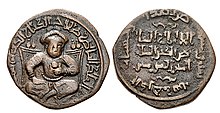
Saladin as depicted on a Dirham coin, Circa. 1190.

According to Imad ad-Din, Nur ad-Din wrote to Saladin in June 1171, telling him to reestablish the Abbasid caliphate in Egypt, which Saladin coordinated two months later after additional encouragement by Najm ad-Din al-Khabushani, the Shafi'i faqih, who vehemently opposed Shia rule in the country. Several Egyptian emirs were thus killed, but al-Adid was told that they were killed for rebelling against him. He then fell ill, or was poisoned according to one account. While ill, he asked Saladin to pay him a visit to request that he take care of his young children, but Saladin refused, fearing treachery against the Abbasids, and is said to have regretted his action after realizing what al-Adid had wanted.[26] He died on September 13 and five days later, the Abbasid khutba was pronounced in Cairo and al-Fustat, proclaiming al-Mustadi as caliph.[27]

On September 25, Saladin left Cairo to take part in a joint attack on Kerak and Montreal, the desert castles of the Kingdom of Jerusalem, with Nur ad-Din who would attack from Syria. Prior to arriving at Montreal, Saladin withdrew, realizing that if he met Nur ad-Din at Shaubak, he would be refused return to Egypt because of Nur ad-Din's reluctance to consolidate such massive territorial control to Saladin. Also, there was a chance that the Crusader kingdom—which acted as a buffer state between Syria and Egypt—could have collapsed had the two leaders attacked it from the east and the coast. This would have given Nur ad-Din the opportunity to annex Egypt. Saladin claimed he withdrew amid Fatimid plots against him, but Nur ad-Din did not accept "the excuse."[27]

During the summer of 1172, a Nubian army along with a contingent of Armenian refugees were reported on the Egyptian border, preparing for a siege against Aswan. The emir of the city had requested Saladin's assistance and was given reinforcements under Turan-Shah—Saladin's brother. Consequently, the Nubians departed, but returned in 1173 and were again driven off. This time Egyptian forces advanced from Aswan and captured the Nubian town of Ibrim. Seventeen months after al-Adid's death, Nur ad-Din had not taken any action regarding Egypt, but expected some return for the 200,000 dinars he had allocated to Shirkuh's army which seized the country. Saladin paid this debt with 60,000 dinars, "wonderful manufactured goods", some jewels, an ass of the finest breed, and an elephant. While transporting these goods to Damascus, Saladin took the opportunity to ravage the Crusader countryside. He did not press an attack against the desert castles, but attempted to drive out the Muslim Bedouins who lived in Crusader territory with the aim of depriving the Franks of guides.[28]

On July 31, 1173, Saladin's father Ayyub was wounded in a horse-riding accident, ultimately causing his death on August 9.[29] In 1174, Saladin sent Turan-Shah to conquer Yemen to allocate it and its port Aden to the territories of the Ayyubid Dynasty. Yemen also served as an emergency territory, to which Saladin could flee in the event of an invasion by Nur ad-Din.

[edit] Acquisition of Syria

[edit] Capture of Damascus

In the early summer of 1174, Nur ad-Din was mustering an army, sending summons to Mosul, Diyarbakir, and al-Jazira in an apparent preparation of attack against Saladin's Egypt. The Ayyubid dynasty held a council upon the revelation of his preparations to discuss the possible threat and Saladin collected his own troops outside Cairo. On May 15, Nur ad-Din died after being poisoned the previous week and his power was handed to his eleven-year-old son as-Salih Ismail al-Malik. His death left Saladin with political independence and in a letter to as-Salih, he promised to "act as a sword" against his enemies and referred to the death of his father as an "earthquake shock."[30]

In the wake of Nur ad-Din's death, Saladin faced a difficult decision; he could move his army against the Crusaders from Egypt or wait until invited by as-Salih in Syria to come to his aid and launch a war from there. He could also take it upon himself to annex Syria before it could possibly fall into the hands of a rival, but feared that attacking a land that formerly belonged to his master—which is forbidden in the Islamic principles he followed—could portray him as hypocritical and thus, unsuitable for leading the war against the Crusaders. Saladin saw that in order to acquire Syria, he either needed an invitation from as-Salih or warn him that potential anarchy and danger from the Crusaders could rise.[31]

When as-Salih was removed to Aleppo in August, Gumushtigin, the emir of the city and a captain of Nur ad-Din's veterans assumed guardianship over him. The emir prepared to unseat all of his rivals in Syria and al-Jazira, beginning with Damascus. In this emergency, the emir of Damascus appealed to Saif al-Din (a cousin of Gumushtigin) of Mosul for assistance against Aleppo, but he refused, forcing the Syrians to request the aid of Saladin who complied.[32] Saladin rode across the desert with 700 picked horsemen, passing through al-Kerak then reaching Bosra and according to him, was joined by "emirs, soldiers, Kurds, and Bedouins—the emotions of their hearts to be seen on their faces."[33] On November 23, he arrived in Damascus amid general acclamations and rested at his father's old home there, until the gates of the Citadel of Damascus were opened to him four days later. He installed himself in the castle and received the homage and salutations of the citizens.[32]

[edit] Further conquests

Leaving his brother Tughtigin as Governor of Damascus, Saladin proceeded to reduce other cities that had belonged to Nur ad-Din, but were now practically independent. His army conquered Hamah with relative ease, but avoided attacking Homs because of the strength of its citadel.[34] Saladin moved north towards Aleppo, besieging it on December 30 after Gumushtigin refused to abdicate his throne.[35] As-Salih, fearing capture by Saladin, came out of his palace and appealed to the inhabitants not to surrender him and the city to the invading force. One of Saladin's chroniclers claimed "the people came under his spell."[36]

Gumushtigin requested from Rashid ad-Din Sinan, grand-master of the Assassins who were already at odds with Saladin since he replaced the Fatimids of Egypt, to assassinate Saladin in his camp.[37] A group of thirteen Assassins easily gained admission into Saladin's camp, but were detected immediately before they carried out their attack. One was killed by a general of Saladin and the others were slain while trying to escape.[36][38] To deter Saladin's progress, Raymond of Tripoli gathered his forces by Nahr al-Kabir where they were well-placed for an attack on Muslim territory. Saladin later moved toward Homs instead, but retreated after being told a relief force was being sent to the city by Saif al-Din.[39]

Meanwhile, Saladin's rivals in Syria and Jazira waged a propaganda war against him, claiming he had "forgotten his own condition [servant of Nur ad-Din]" and showed no gratitude for his old master by besieging his son, rising "in rebellion against his Lord." Saladin aimed to counter this propaganda by ending the siege, claiming he was defending Islam from the Crusaders; his army returned to Hama to engage a Crusader force there. The Crusaders withdrew beforehand and Saladin proclaimed it "a victory opening the gates of men's hearts."[39] Soon after, Saladin entered Homs and captured its citadel in March 1175, after stubborn resistance from its defenders.[40]

Saladin's successes alarmed Saif al-Din. As head of the Zengids, including Gumushtigin, he regarded Syria and Mesopotamia as his family estate and was angered when Saladin attempted to usurp his dynasty's holdings. Saif al-Din mustered a large army and dispatched it to Aleppo whose defenders anxiously had awaited them. The combined forces of Mosul and Aleppo marched against Saladin in Hama. Heavily outnumbered, Saladin initially attempted to make terms with the Zengids by abandoning all conquests north of the Damascus province, but they refused, insisting he return to Egypt. Seeing that confrontation was unavoidable, Saladin prepared for battle, taking up a superior position on the hills by the gorge of the Orontes River. On April 13, 1175, the Zengid troops marched to attack his forces, but soon found themselves surrounded by Saladin's Ayyubid veterans who crushed them. The battle ended in a decisive victory for Saladin who pursued the Zengid fugitives to the gates of Aleppo, forcing as-Salih's advisers to recognize Saladin's control of the provinces of Damascus, Homs and Hama, as well as a number of towns outside Aleppo such as Ma'arat al-Numan.[41]
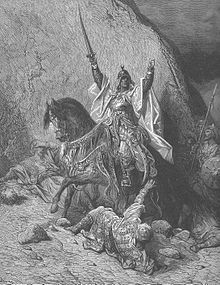
19th-century depiction of a victorious Saladin, by Gustave Doré.

After his victory against the Zengids, Saladin proclaimed himself king and suppressed the name of as-Salih in Friday prayers and Islamic coinage. From then on, he ordered prayers in all the mosques of Syria and Egypt as the sovereign king and he issued at the Cairo mint gold coins bearing his official title—al-Malik an-Nasir Yusuf Ayyub, ala ghaya "the King Strong to Aid, Joseph son of Job; exalted be the standard." The Abbasid caliph in Baghdad graciously welcomed Saladin's assumption of power and declared him "Sultan of Egypt and Syria."[42]

The Battle of Hama did not end the contest for power between the Ayyubids and the Zengids, with the final confrontation occurring in the spring of 1176. Saladin had gathered massive reinforcements from Egypt while Saif al-Din was levying troops among the minor states of Diyarbakir and al-Jazira.[43] When Saladin crossed the Orontes, leaving Hama, the sun was eclipsed. He viewed this as an omen, but he continued his march north. He reached the Sultan's Mound, c. 25 km from Aleppo, where his forces encountered Saif al-Din's army. A hand-to-hand fight ensued and the Zengids managed to plow Saladin's left wing, driving it before him, when Saladin himself charged at the head of the Zengid guard. The Zengid forces panicked and most of Saif al-Din's officers ended up being killed or captured—Saif al-Din narrowly escaped. The Zengid army's camp, horses, baggage, tents, and stores were seized by the Ayyubids. The Zengid prisoners of war, however, were given gifts and freed. All of the booty from the Ayyubid victory was accorded to the army, Saladin not keeping anything himself.[44]

He continued towards Aleppo which still closed its gates to him, halting before the city. On the way, his army took Buza'a, then captured Manbij. From there they headed west to besiege the fortress of A'zaz on May 15. A few days later, while Saladin was resting in one of his captain's tents, an assassin rushed forward at him and struck at his head with a knife. The cap of his head armor was not penetrated and he managed to grip the assassin's hand—the dagger only slashing his gambeson—and the assailant was soon killed. Saladin was unnerved at the attempt on his life, which he accused Gumushtugin and the Assassins of plotting, and so increased his efforts in the siege.[45]

A'zaz capitulated on June 21, and Saladin then hurried his forces to Aleppo to punish Gumushtigin. His assaults were again resisted, but he managed to secure not only a truce, but a mutual alliance with Aleppo, in which Gumushtigin and as-Salih were allowed to continue their hold on the city and in return, they recognized Saladin as the sovereign over all of the dominions he conquered. The emirs of Mardin and Keyfa, the Muslim allies of Aleppo, also recognized Saladin as the King of Syria. When the treaty was concluded, the younger sister of as-Salih came to Saladin and requested the return of the Fortress of A'zaz; he complied and escorted her back to the gates of Aleppo with numerous presents.[45]

[edit] Campaign against Assassins

Rashid ad-Din Sinan the Grand Master of the Hashshashins at Masyaf successfully alarmed Saladin not to assault the realms of the sect.

Saladin had by now agreed truces with his Zengid rivals and the Kingdom of Jerusalem (latter occurred in the summer of 1175), but faced a threat from the Hashshashin sect or "Assassins" led by Rashid ad-Din Sinan. Based in the al-Nusayri Mountains, they commanded nine fortresses built atop high elevations. As soon as he dismissed the bulk of his troops to Egypt, Saladin led his army into the al-Nusayri range in August 1176. He retreated the same month, after laying waste to the countryside, but failing to conquer any of the forts. Most Muslim historians claim that Saladin's uncle mediated a peace agreement between him and Sinan.[46] However, the latter's panegyrist claims Saladin departed due to fears for his own life at the hands of the Assassins. He had his guards supplied with link lights and had chalk and cinders strewed around his tent outside Masyaf—which he was besieging—to detect any footsteps by the Assassins.[47]

According to this version, one night, Saladin's guards noticed a spark glowing down the hill of Masyaf and then vanishing among the Ayyubid tents. Presently, Saladin awoke from his sleep to find a figure leaving the tent. He then saw that the lamps were displaced and beside his bed laid hot scones of the shape peculiar to the Assassins with a note at the top pinned by a poisoned dagger. The note threatened that he would be killed if he didn't withdraw from his assault. Saladin gave a loud cry, exclaiming that Sinan himself was the figure that left the tent. As such, Saladin told his guards to settle an agreement with Sinan.[47] Realizing he was unable to subdue the Assassins, he sought to align himself with them, consequently depriving the Crusaders of aligning themselves against him.[48]

[edit] Return to Cairo and forays in Palestine

Saladin and the Mamluks assured the protection of Caravan routes that allowed travel to distant lands.

After leaving the al-Nusayri Mountains, Saladin returned to Damascus and had his Syrian soldiers return home. He left Turan Shah in command of Syria, and left for Egypt with only his personal followers, reaching Cairo on September 22. Having been absent roughly two years, he had much to organize and supervise in Egypt, namely fortifying and reconstructing Cairo. The ci

|
امتیاز مطلب : 0
|
تعداد امتیازدهندگان : 0
|
مجموع امتیاز : 0
تاریخ : چهارشنبه 11 آبان 1390
نویسنده : konami


صلاح‌الدین ایوبی

الملک الناصر صلاح‌الدین یوسف بن أیوب بن شادی بن مروان (به کردی: سه‌لاحه‌دین ئه‌یوبی، Selah'edînê Eyubî) فرمانروای ایوبی و فرمانده مسلمان در جنگ‌های صلیبی بود.[۱] ایوبیان دودمانی کردتبار[۲] بودند که از ۱۱۷۱ تا ۱۲۶۰/۱۲۵۰م در مصر و سوریه و عراق فرمانروایی کردند. پایتخت‌های ایشان دمشق و قاهره بود.

او در دوران حکومتش سه هدف عمده را دنبال می‌کرد: استوار ساختن قدرت حکومت برای خود و خاندان ایوبی، سرکوب شیعیان و جنگ با صلیبیون؛ که به هر سه، تا حدود زیادی دست یافت.[۱]


صلاح‌الدین در سال ۱۱۳۶ میلادی در تکریت عراق از پدر و مادری کرد به دنیا آمد. خانواده او از پیشینه و تبار کردی و اجدادش از شهر دوین بودند، که در ارمنستان قرون وسطی قرار داشت. پدرش، نجم‌الدین ایوب، در سال ۱۱۳۹ میلادی از تکریت تبعید شد و به این خاطر او و برادرش اسدالدین شیرکوه، به موصل نقل مکان کردند. نجم‌الدین بعدها به اردوی عمادالدین زنگی پیوست که او را فرمانده قلعه خود در بعلبک نمود. پس از مرگ زنگی در ۱۱۴۶ میلادی، پسر او، نورالدین، نایب‌السلطنه شهر حلب و رهبر زنگی‌ها شد. برخی تاریخ‌نگاران نقل می‌کنند صلاح‌الدین، که در آن زمان کودک بود و در دمشق زندگی می‌کرد، علاقه خاصی به این شهر داشت. اما اطلاعات دقیقی از کودکیش در دسترس نیست. صلاح‌الدین خود نوشته ‌است: «بچه‌ها آنطور تربیت می‌شوند که پدرانشان شدند». به گفته یکی از زندگینامه‌نویسانش، الورهانی، او قادر به پاسخگویی به پرسش‌های علمی در خصوص اقلیدس، الکتاب المجسطی، حساب، و قانون بود. صلاح‌الدین همچنین در قرآن و علوم دینی نیز سررشته داشت تا حدی که منابع متعددی ادعا می‌کنند او بیشتر علاقه‌مند به مطالعه درباره دین بود تا پیوستن به ارتش. شاید پیوستن او به ارتش به این دلیل بود که در زمان جنگهای صلیبی مسیحیان در حمله‌ایی غافلگیرانه اورشلیم را از دست مسلمانان بیرون آوردند. صلاح‌الدین کار خود را در دربار اتابک زنگی از دست نشاندگان سلجوقیان در شامات شروع کرد و بعدها در مصر جانشین وی گردید. فرزند اتابک زنگی یعنی نورالدین پس از مدتی صلاح‌الدین را به همراهی عمویش شیرکوه عازم مصر کرد تا متحدش شاهوار فرمانروای مصر را، که به وسیله یکی از رقبای خویش در مصر طرد شده بود، در مقام خود حفاظت نماید.

مصر در این زمان تحت فرمانروایی یکی از خلفای فاطمی به نام ابو محمود عبدالله بود. شیرکوه و صلاح‌الدین مجبور بودند که با او حسن سلوک داشته باشند. از طرفی صلیبیون فهمیده بودند که اتحاد مصر و شامات برای آنها خطرناک خواهد بود به همین خاطر به شام حمله بردند ولی صلاح‌الدین انها را سخت شکست داد و به عقب راند.

بعد از مرگ نورالدین زنگی، صلاح‌الدین حاکم آنجا شد و آغاز به بسط قدرت خود نمود. او حکومت خود را تا ایران گسترش داد و حجاز و یمن و نوبه و الجزیره را نیز به تصرف درآورد و در حرکت بعدی اورشلیم را از دست قوای صلیبی بیرون آورد. صلاح‌الدین شجاعانه در نبردی با ریچارد شیردل و صلیبیون آنها را مجبور به ترک قسمت‌های زیادی از خاک فلسطین نمود.

صلاح‌الدین بعد از سال‌ها مبارزه و مقاوت در برابر تمامی دشمنان در سال ۱۱۹۳ در دمشق درگذشت. بعد از مرگ او امپراتوری‌اش میان فرزندانش تقسیم گردید.

افضل به حکومت دمشق رسید. عزیز در قاهره و ظهیر در حلب حکومت کردند بعدها حکومت آنها به روسای محلی منتقل شد. تنها حلب تا سال ۱۳۹۰ در اختیار خاندان ایوبی قرار داشت.

صلاح‌الدین ایوبی در جنگ با صلیبیان آنان را شکست داد و از بیت‌المقدس بیرون راند.


|
امتیاز مطلب : 0
|
تعداد امتیازدهندگان : 0
|
مجموع امتیاز : 0
آخرین مطالب

/
به وبلاگ من خوش آمدید

💬 نظرات کاربران
💬ثبت نام کاربران
💬ورود کاربران